

Septic Pumping & Waste Management
Professional septic pumping and waste management services for homes and businesses across rural Tennessee
Same-Day Emergency Service
Licensed & Certified Technicians
Serving All of Tennessee
Upfront Pricing, No Hidden Fees
Fully Insured
State Licensed
Eco-Compliant Disposal
Written Service Reports
Available 24/7 (00:00 – 23:59)
🎁 FREE Inspection with Every Pump-Out
Mention this offer when you call!
5 Highlights on Septic Pumping & Waste Management
Full tank pumping and septage hauling
Our vacuum trucks pump, suction, and transport all sludge, scum, and liquid waste from your septic tank to a licensed disposal site or receiving station. We handle residential, commercial, and municipal septic systems of every size, ensuring efficient waste removal and proper disposal. Our experienced professionals work fast to minimize disruption, and you can count on dependable service every time.
Drain field inspection and maintenance
We conduct thorough inspections of lateral lines, probe distribution boxes, and monitor effluent flow through your leach field to catch saturated soil, clogged perforated pipe, or failing absorption rates before raw sewage backs up into your yard. Our experts perform detailed assessments and help you understand the condition of your system, so you can avoid costly issues down the line.
Grease trap and interceptor cleaning
Our crew drains, degreases, and removes accumulated FOG (fats, oils, grease) from commercial grease traps and interceptors, keeping your system compliant with local health department regulations. We offer efficient draining and cleaning services designed to maintain peak efficiency and eliminate common plumbing problems connected to grease buildup.
Emergency overflow and backup response
When sewage overflows or blackwater backs up through drains, we respond fast and dispatch a pump truck to extract standing waste, flush blocked inlet and outlet pipes, and restore flow to your system the same day. You can rely on our team to assist you round the clock, providing the care and comfort of knowing help is on the way.
Certified waste disposal and documentation
Every load of septage and biosolids we haul goes to a permitted treatment plant or composting facility. We provide manifold tracking, disposal receipts, and compliance records for your files and your county inspector. Rest assured that all contents are handled properly, with clear documentation included for your records and peace of mind.
Need Septic Service Today?
Our team is standing by to help. Fast response times and upfront pricing guaranteed.
Our Septic Pumping & Waste Management Services:
Why Choose Our Septic Pumping & Waste Management
Septic pumping and waste management is the core focus of what we do at Rural Septic TN. We have built our reputation across rural Tennessee by pumping tanks on schedule, hauling waste responsibly, and treating every property like our own. Our company remains committed to providing the best service in the region.
Our technicians are licensed, certified, and trained on both conventional gravity fed systems and advanced aerobic treatment units. We specialize in all types of septic systems and sewer connections. Our experienced team operates a fleet of high capacity vacuum trucks equipped with suction hoses, discharge hoses, and onboard metering so we can measure sludge depth, scum thickness, and liquid volume at every service call. That data goes into your maintenance record so you always know where your system stands and can view the history of your servicing.
We pump septic tanks, holding tanks, pump chambers, and cesspools. We clean grease traps. We dewater sludge. We haul septage to approved receiving stations and treatment plants, never to unauthorized dump sites. Every load is documented and permitted. When replacements or repairs are needed, our experts make tailored recommendations based on your specific situation.

Rural Tennessee properties face unique challenges. High water tables, clay soils with poor percolation rates, aging concrete tanks with corroded baffles, and long distances between homes and disposal facilities all demand a pumper who knows the territory. We understand these issues and have the experience to work through them efficiently. Our professionals help you maintain a properly functioning system while taking steps to minimize risk.
You get upfront pricing with no hidden fees or hassle. You get a scheduled appointment window we actually keep. And you get a written service report that details tank condition, sludge levels, baffle integrity, and any recommended repairs. Contact us to talk about your project, request a quote, or compare cost options. That is our guarantee: professional septic pumping and waste management done right, every time. Trust Rural Septic TN to get the job done.
Licensed & Certified
Tennessee State Licensed
Fully Insured
Comprehensive Coverage
Eco-Compliant
Permitted Disposal Sites
On-Time Service
We Keep Our Appointments
Signs You Need Septic Pumping & Waste Management
Septic pumping and waste management is not something most homeowners think about until something goes wrong. These five warning signs mean your system needs professional attention now. Look for these common indicators and expect to call for help if you notice any of them.
Slow drains throughout the house:
One slow drain might be a clogged pipe or plumbing issue. But when every sink, shower, and toilet drains sluggishly at the same time, your septic tank is likely full. Accumulated sludge and scum have reduced the tank’s working volume, and settled solids are blocking the outlet pipe or effluent filter. A qualified pumper needs to vacuum out the tank and inspect the baffle before wastewater backs up into your home. Do not avoid getting this checked.
Sewage odor near the tank or drain field:
Malodorous, putrid smells rising from the ground above your septic tank, distribution box, or leach field indicate that untreated sewage is seeping to the surface. Anaerobic decomposition of organic matter produces hydrogen sulfide and ammonia gases. These foul odors mean your tank is overdue for pumping, or your drain field soil has become saturated and can no longer absorb effluent at a safe rate. Our professionals can assist with inspections to identify the cause.
Standing water or soggy ground over the leach field:
A properly functioning absorption field remains dry at the surface. Pooling water, spongy soil, or unusually green grass over your lateral lines signals that the drain field is overflowing. Suspended solids from an overfull tank may have clogged the perforated pipe or the gravel bed beneath the geotextile fabric. This is a key sign that you need to perform maintenance before the problem gets worse.
Sewage backup in basement drains or lowest fixtures:
Blackwater pushing up through floor drains, toilets, or cleanouts is a septic emergency. The tank is full, the outlet is blocked, or the pump chamber float switch has failed. You need same day pumping and extraction to contain contaminated waste and prevent pathogenic exposure to coliform, E. coli, and other harmful bacteria. Rely on our fast response to eliminate the risk.
It's been three or more years since your last pump out:
Most residential septic tanks require pumping every three to five years depending on household size, tank capacity, and solid waste accumulation. If you cannot remember your last service date, your tank is almost certainly holding more sludge and scum than it should. Scheduling routine septic pumping and waste management now ensures your system remains properly maintained and helps you avoid expensive drain field failure later. Keep this part of your home care in mind.
Our Septic Pumping & Waste Management Process
Septic pumping and waste management is a systematic process we follow the same way every time to protect your system and your property. Here is what you can expect when our team arrives.
Locate and access the tank.
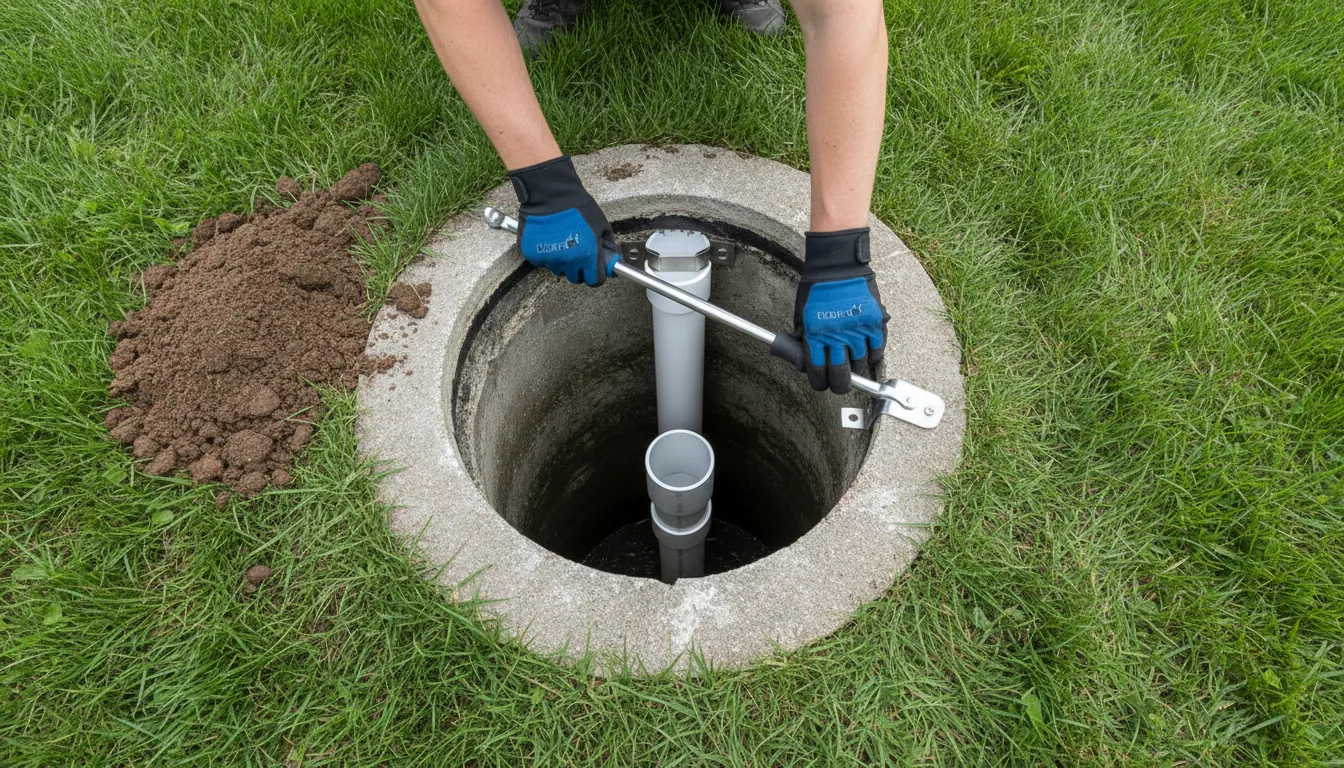
We use property records, probe rods, and electronic locators to find buried tanks. We excavate soil over the access port or riser lid and remove it to expose the primary chamber and secondary chamber openings. Our work begins with a clear view of your system.
Inspect before pumping.
Our technician checks sludge depth with a dipstick, measures scum layer thickness, and examines the inlet baffle, outlet baffle, and effluent filter condition. We conduct a thorough review and note any corroded, cracked, or leaky components. This inspection helps ensure efficient servicing and identifies any issues that may need attention.
Pump and vacuum the tank.
We lower the suction hose into the tank and extract all sludge, scum, liquid waste, and residual septage. Our operator agitates and stirs settled solids with the hose to dislodge compacted material from the tank floor and corners. We pump both compartments completely, performing the job with care and efficiency.
Post pump inspection.
With the tank empty, we inspect the tank walls, baffles, tee fittings, and pipe connections for structural damage. We camera inspect the outlet pipe and distribution box when drain field problems are suspected. Our experts look for any leak or damage, including issues with heating elements in aerobic systems, and make recommendations based on what we find.
Haul and dispose.
Our vacuum truck transports all septage to a permitted treatment plant, receiving station, or dewatering facility. We document the volume hauled, the disposal destination, and the date for your compliance records. Every form is completed accurately and included with your service documentation.
Report and recommend.
You receive a written service report covering tank condition, volume pumped, component status, and a recommended next pump date. If we find failing baffles, a clogged effluent filter, or saturated drain field soil, we provide a repair estimate on the spot. Our tailored approach helps you make informed decisions about maintaining your septic system.
How Often Should You Pump? Quick Reference Guide
For smaller households (1-2 people), the recommended pumping frequency is:
Every 2-3 Years
Smaller tanks fill up faster, so staying on a tighter schedule is important. Garbage disposal use and water habits can shorten this window further.
For most households (2-4 people), the recommended pumping frequency is:
Every 3-5 Years
Factors like garbage disposal use, household size, and water usage can affect this schedule. Call us for a personalized recommendation.
For larger households (4-6 people), the recommended pumping frequency is:
Every 4-6 Years
Even with greater capacity, heavy water usage or a garbage disposal can accelerate sludge buildup. Regular inspections help you stay ahead of any issues.
For commercial and high-use properties, the recommended pumping frequency is:
Every 1-3 Years
Commercial tanks handle significantly higher daily loads, so frequency varies based on business type, occupancy, and usage patterns. We recommend a site assessment to build the right maintenance schedule.
Brands We Use
Septic pumping and waste management demands reliable equipment and quality replacement parts. Rural Septic TN uses trusted, professional grade brands on every job.




Your safety and your system’s long term function depend on quality components — we never cut corners with off brand or uncertified parts.
Other Services
septic pumping
septic tank pumping
sludge removal, vacuum truck service
waste management
sewage waste disposal
septage hauling, biosolids transport
septic tank cleaning
cesspool pumping
scum removal, tank maintenance
drain field service
leach field maintenance
effluent management, absorption field repair
septic system maintenance
septic service
pump out, routine inspection, system compliance
FAQs About Septic Pumping & Waste Management
What is septic pumping and waste management?
Septic pumping is the process of vacuuming sludge, scum, and liquid waste from your septic tank using a pump truck or vacuum truck. Waste management covers the hauling, transport, and disposal of that septage at a permitted treatment plant, receiving station, or composting facility. Together, these services keep your septic system functioning properly and compliant with Tennessee health department regulations. If you have questions about how this work applies to your property, contact our team.
When should I schedule septic pumping?
Most residential septic tanks need pumping every three to five years. Households with garbage disposals, large families, or smaller tanks may need service every two to three years. Commercial grease traps often require quarterly or monthly cleaning. If you notice slow drains, foul odors, or standing water over your drain field, schedule pumping immediately. Service frequency can vary based on usage, so talk to our professionals to tailor a schedule that works for you.
Why does my septic tank need regular pumping?
Solid waste accumulates in your tank over time. Sludge settles on the bottom. Scum floats on top. Without regular pumping, these layers reduce your tank’s working volume and push untreated solids into the drain field, where they clog perforated pipes and saturate the soil. A clogged leach field costs thousands of dollars to replace. Routine pumping helps you avoid that failure and ensures your system remains efficient. Maintaining your system properly is a key part of protecting your property.
How long does a septic pump out take?
A standard residential pump out takes 30 to 60 minutes depending on tank size, access, and sludge accumulation. A 1,000 gallon tank with a surface level riser pumps faster than a 1,500 gallon tank buried three feet deep with no riser. Our technicians also spend time performing inspections of baffles, filters, and pipe connections during every service visit. You can expect dependable, fast service designed to get the job done right.
Can I pump my own septic tank?
No. Tennessee requires licensed haulers to pump, transport, and dispose of septage. You need a permitted vacuum truck, proper suction and discharge hoses, and access to an approved disposal site. Improper handling of raw sewage exposes you to pathogenic bacteria including E. coli and coliform, plus hazardous gases like hydrogen sulfide and methane. Hire certified septic pumping professionals to ensure the work is done safely and in compliance with regulations.
Does septic pumping fix a backed up drain field?
Pumping the tank removes the immediate cause of overloading, but a saturated or clogged drain field may need additional remediation. We inspect the distribution box, camera inspect lateral lines, and test soil absorption rates to determine if the field can recover or if it requires repair, replacement, or retrofit with a chamber system or drip irrigation system. Our experienced technicians offer clear guidance on your options and help you understand the cost and scope of any needed work. Looking for a second opinion? We are happy to provide one.
Ready to Schedule Your Service?
Professional septic pumping and waste management done right, every time. Trust Rural Septic TN to get the job done.