

Septic Pump & Aerator Repair
Professional pump and aerator repair services for residential and commercial septic systems across rural Tennessee. As your local septic company, we fix plumbing and septic issues that keep your wastewater system running properly.
Same-Day Emergency Service
Licensed & Certified Technicians
Serving All of Tennessee
Upfront Pricing, No Hidden Fees
Fully Insured
State Licensed
Eco-Compliant Disposal
Written Service Reports
Available 24/7 (00:00 – 23:59)
🎁 FREE Inspection with Every Pump-Out
Mention this offer when you call!
5 Highlights on Septic Pump & Aerator Repair
Expert Diagnosis of Pump Failures
Our septic technicians and service team troubleshoot submersible pumps, effluent pumps, grinder pumps, and sewage ejectors using professional equipment including camera inspection tools and multimeter testing to pinpoint motor burnout, impeller damage, and float switch malfunctions before recommending repair or replacement. We complete every job with precision.
Full Aerator and Compressor Service
We repair and replace air pumps, blowers, compressors, and diffusers in aerobic treatment systems. When your aeration chamber stops oxidizing wastewater, we restore proper dissolved oxygen levels so microbial digestion resumes.
Electrical and Control Panel Repair
Malfunctioning timers, solenoid valves, circuit breakers, and alarm systems get diagnosed on site. We trace wiring through conduit and junction boxes to find corroded connections, tripped breakers, and failed control panel components.
Same Day Emergency Response
Backed up effluent and non-functional pumps don’t wait. Our vacuum trucks and jet rodders are dispatched the same day to handle your request and prevent overflow, backflow, and drain field saturation throughout rural Tennessee counties. Prompt response protects your property.
Preventive Maintenance Plans
Scheduled inspections and routine maintenance of your pump chamber, check valves, float switches, and aeration equipment catch degraded seals, worn impellers, and clogged diffusers before a full system failure occurs. Smart maintenance means saving money on costly emergency repairs.
Need Septic Service Today?
Our team is standing by to help. Fast response times and upfront pricing guaranteed.
Why Choose Our Septic Pump & Aerator Repair
Septic pump and aerator repair is a specialized trade. We specialize in this work because not every plumber offering plumbing services understands the difference between a centrifugal effluent pump and a diaphragmatic air pump, or knows how a dosing chamber timer coordinates with a distribution box to feed lateral lines evenly. We do. Rural Septic TN has the experience and knowledge to repair and maintain septic systems across Tennessee’s rural communities for years, and our technicians hold certifications specific to aerobic treatment units and pressurized pump systems.
We carry replacement parts on every service truck. Float switches, check valves, ball valves, backflow preventers, impellers, diffusers, gaskets, O-rings, and control panel components are stocked and ready. That means most pump and aerator repairs get completed in a single visit.
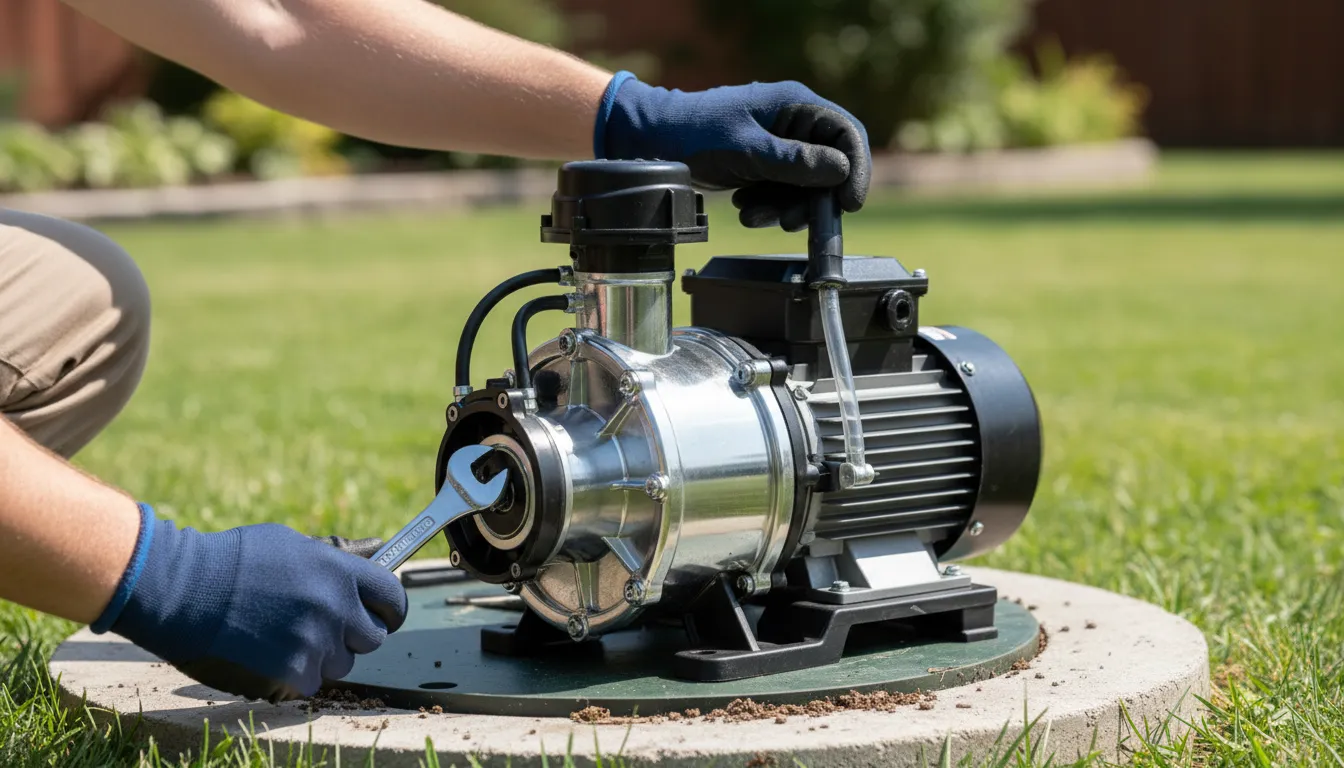
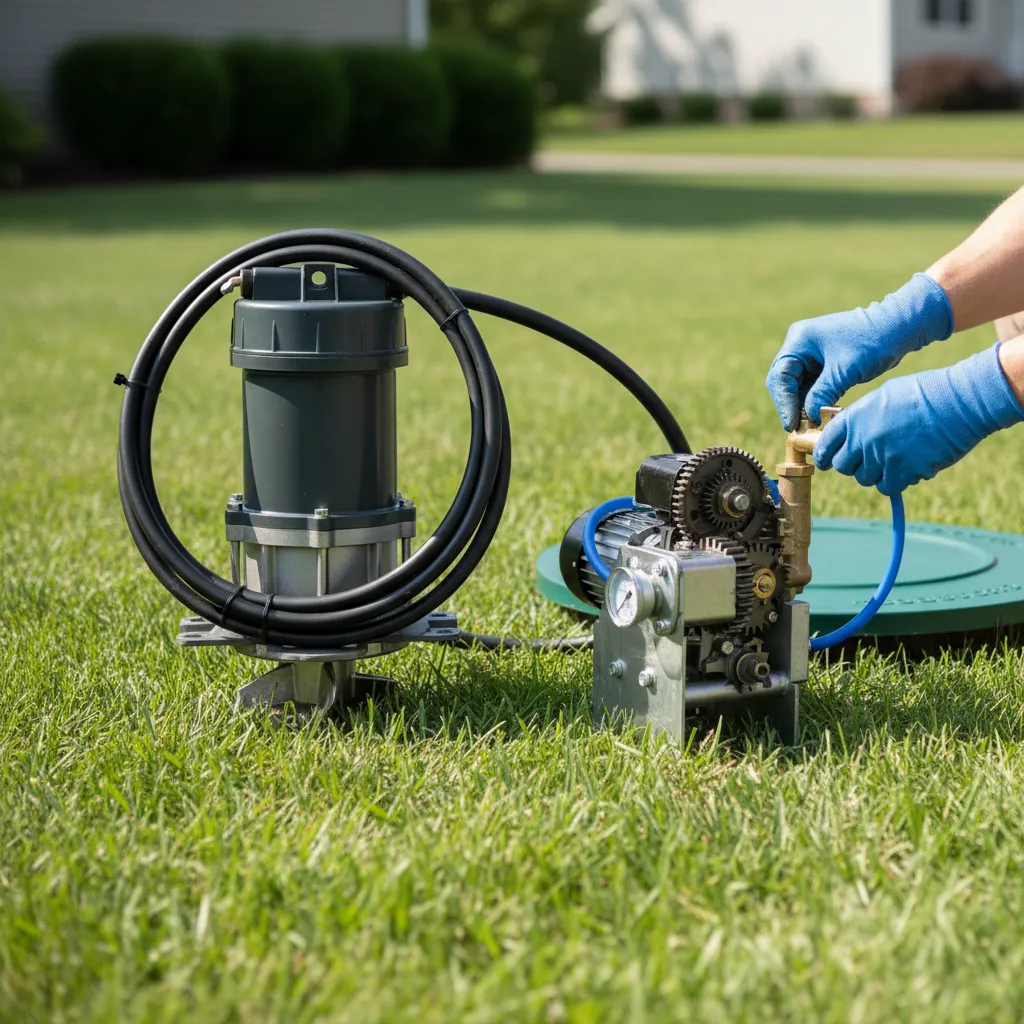
Our pricing is upfront. We provide every customer with a written diagnosis and a quoted estimate before we start any work. No surprise costs for excavation, no hidden fees for electrical troubleshooting. We guarantee our repair work for twelve months on both parts and labor because your satisfaction matters. We want you satisfied with every detail of our service.
Rural Tennessee properties face unique challenges. Long distances from municipal sewer line connections mean your septic system is your only wastewater treatment and waste disposal option. A failed pump or dead aerator can contaminate your soil, your yard, your percolation area, and your well water. The environment must be protected. We treat every repair call with that urgency because we live in these communities too.
Licensed, insured, and trusted by homeowners across the state — that’s Rural Septic TN.
Licensed & Certified
Tennessee State Licensed
Fully Insured
Comprehensive Coverage
Eco-Compliant
Permitted Disposal Sites
On-Time Service
We Keep Our Appointments
Signs You Need Septic Pump & Aerator Repair
Septic pump and aerator problems rarely appear without warning. Recognizing these signs early can save you thousands in drain field remediation and full system replacement. Any issue caught early prevents bigger problems later.
Septic Alarm Sounding Repeatedly:
Your alarm activates when the float switch in the pump chamber detects high effluent levels. If the alarm sounds and resets, then sounds again within hours, your effluent pump or submersible pump is failing to discharge wastewater to the drain field. A burned out motor, a damaged check valve, a stuck discharge line, or a tripped circuit breaker in the control panel could be the cause. A pump running continuously is another warning sign.
Foul Odorous Air from Aerator Vents:
Aerobic systems rely on a blower or compressor to push air through diffusers in the aeration chamber. When that air pump fails, the system shifts from aerobic to anaerobic digestion. You’ll smell strong sewage odors near the unit. The effluent turns turbid and dark because bacterial colonies aren’t receiving oxygen to break down organic solids.
Slow Drains and Gurgling Pipes Throughout the House:
A malfunctioning pump can’t move effluent out of the septic tank or dosing chamber fast enough. Wastewater backs up through the inlet pipe. Every drain in your home slows down. Toilets gurgle. Showers pool. This signals the pump has lost prime, the impeller is clogged, or the motor winding has degraded.
Visible Wet Spots or Standing Water Over the Pump Chamber:
Saturated soil above your pump chamber or distribution box means effluent is surfacing. A failed pump leaves the chamber waterlogged and overfull. Corroded risers, cracked lids, or degraded seals around the access port can also let untreated wastewater leach to the surface.
Unusually High Electric Bills with No Other Explanation:
A septic pump or aerator motor that runs continuously without cycling off draws excessive power. A stuck float switch, a failed timer, or a short in the wiring forces the motor to operate nonstop. The pump overheats. The compressor burns out. You’ll see the spike on your electric bill before you notice the system failure.
Our Septic Pump & Aerator Repair Process
Septic pump and aerator repair follows a structured diagnostic and repair sequence at Rural Septic TN. Every service call moves through these steps.
System Assessment and Access
We locate your septic tank, pump chamber, and aeration unit using property records and probe equipment. Risers and lids are opened. If risers aren’t installed, we excavate to reach the access port and recommend riser installation for future maintenance.
Electrical Diagnosis
Our technician inspects the control panel, timer, alarm, float switch, and all wiring from the junction box to the pump or aerator motor. We test voltage at the circuit breaker, check continuity through the conduit, and verify solenoid valve operation. Electrical faults account for nearly half of all pump and aerator failures.
Mechanical Inspection
We pull the submersible pump, effluent pump, or grinder pump from the chamber and inspect the impeller, motor housing, check valve, and discharge fitting. We clean any debris and check pressure readings. For aerators, we examine the compressor, blower, diaphragm, and diffuser assembly. Corroded, clogged, or worn components are identified during cleaning and inspection.
Repair or Replacement
Repairable components including float switches, check valves, diffusers, gaskets, O-rings, and seals are replaced on site from our truck stock. We fix any line repair or line replacement needs at the same time. If the pump motor or compressor has failed beyond repair, we install a matched replacement unit and verify proper operation.
System Testing and Verification
We run the repaired pump or aerator through multiple cycles. Effluent discharge rates are measured. Aeration chambers are checked for proper dissolved oxygen levels. The alarm is tested. The timer is calibrated. We document everything and walk you through what was done.
How Often Should You Pump? Quick Reference Guide
For smaller households (1-2 people), the recommended pumping frequency is:
Every 2-3 Years
Smaller tanks fill up faster, so staying on a tighter schedule is important. Garbage disposal use and water habits can shorten this window further.
For most households (2-4 people), the recommended pumping frequency is:
Every 3-5 Years
Factors like garbage disposal use, household size, and water usage can affect this schedule. Call us for a personalized recommendation.
For larger households (4-6 people), the recommended pumping frequency is:
Every 4-6 Years
Even with greater capacity, heavy water usage or a garbage disposal can accelerate sludge buildup. Regular inspections help you stay ahead of any issues.
For commercial and high-use properties, the recommended pumping frequency is:
Every 1-3 Years
Commercial tanks handle significantly higher daily loads, so frequency varies based on business type, occupancy, and usage patterns. We recommend a site assessment to build the right maintenance schedule.
Brands We Use
Septic pump and aerator repair demands reliable, proven replacement parts. Rural Septic TN installs and services components from these trusted manufacturers:








Your safety and your groundwater quality depend on proper parts installed by qualified technicians.
Other Services
septic pump repair
septic system pump repair
effluent pump troubleshooting
aerator repair septic
septic aerator service
aerobic treatment unit repair
septic pump replacement
submersible pump replacement septic
float switch repair septic tank
septic system repair Tennessee
rural septic repair TN
wastewater pump service near me
septic pump and aerator maintenance
septic pump technician
compressor blower repair septic system
FAQs About Septic Pump & Aerator Repair
What is septic pump and aerator repair?
Septic pump and aerator repair is the process of diagnosing and fixing mechanical, electrical, and component failures in the pumps and aeration equipment that move and treat wastewater in your septic system. This includes submersible pumps, effluent pumps, grinder pumps, air pumps, compressors, blowers, diffusers, float switches, control panels, and check valves. Regular pumping helps prevent grease and solids buildup that damages these components.
When should I call for septic pump repair?
Most residential septic tanks need pumping every three to five years. Households with garbage disposals, large families, or smaller tanks may need service every two to three years. Commercial grease traps often require quarterly or monthly cleaning. If you notice slow drains, foul odors, or standing water over your drain field, schedule pumping immediately. Service frequency can vary based on usage, so talk to our professionals to tailor a schedule that works for you.
Why did my septic aerator stop working?
Aerator failures happen when the diaphragm in a linear air pump tears, the compressor motor burns out, the diffuser clogs with biofilm, or the electrical supply to the blower is interrupted. Power surges, age, and lack of routine maintenance are the most common causes.
How long does a septic pump or aerator last?
Most submersible effluent pumps last seven to fifteen years. Linear air pumps and compressors in aerobic systems typically last three to eight years depending on the brand and maintenance schedule. Float switches and control panel components may need replacement sooner.
Can I repair a septic pump myself?
Septic pump repair involves working with electrical components near wastewater and in confined spaces with hazardous gases. Tennessee regulations require licensed professionals for most septic system work. Improper repairs can void permits, damage your drain field, and create serious health risks. Leave this job to trained technicians.
Does a septic aerator run all the time?
Yes. Most aerobic treatment units require the air pump or compressor to run continuously to maintain dissolved oxygen levels in the aeration chamber. If your aerator shuts off, anaerobic conditions develop within hours, and untreated effluent begins discharging to your drain field or disinfection stage.
Ready to Schedule Your Service?
Professional septic pump & aerator repair done right, every time. Trust Rural Septic TN to get the job done.