

Real Estate Septic Inspections
Trusted Transfer Inspections for Buyers, Sellers, Homeowners, and Lenders Across Rural Tennessee Homes
Same-Day Emergency Service
Licensed & Certified Technicians
Serving All of Tennessee
Upfront Pricing, No Hidden Fees
Fully Insured
State Licensed
Eco-Compliant Disposal
Written Service Reports
Available 24/7 (00:00 – 23:59)
🎁 FREE Inspection with Every Pump-Out
Mention this offer when you call!
5 Highlights on Real Estate Septic Inspections
Certified Point of Sale Inspections
Our licensed sanitarians inspect every component of your septic system, from the inlet baffle and outlet baffle to the drain field laterals, before a property changes hands. We evaluate underground septic tanks for integrity, check effluent filter condition, and assess distribution box function to ensure buyers and sellers get a clear picture. This essential inspection helps prevent hidden problems from surfacing after the sale.
Comprehensive Inspection Reports
Each real estate septic inspection produces a detailed report covering tank condition, sludge and scum levels, baffle status, and drain field performance. Lenders, real estate agents, and escrow agents receive documentation that meets county health department standards. Our business provides every customer with a clear, jargon free report that keeps the transaction moving forward.
Perc Test and Soil Evaluation Coordination
When a property lacks an as built plan or the existing system appears non conforming, we coordinate percolation tests and soil evaluations with licensed soil scientists to determine whether the absorption field meets current code. Our team works with engineering consultants when new construction or a repair project demands additional soil analysis.
Camera Inspection and Dye Testing
We camera scope lateral lines, probe for saturated soil conditions, and perform dye tests to detect surfacing effluent, breakout, or ponding that visual inspection alone cannot reveal. Our camera inspection line work uncovers hidden leaks, drainage failures, and blockages below ground.
Fast Turnaround for Closings
Real estate transactions move on tight timelines. We deliver inspection results and certificates of compliance within 48 hours to help keep your closing running on schedule.
Need Septic Service Today?
Our team is standing by to help. Fast response times and upfront pricing guaranteed.
Why Choose Our Real Estate Septic Inspections
Real estate septic inspections are the backbone of our work at Rural Septic TN. We have inspected thousands of systems across rural Tennessee counties where municipal sewer does not reach and every house depends on a functioning onsite wastewater system. These homes in surrounding communities rely on well designed septic systems to protect both property value and groundwater quality.
Our inspectors hold active licenses through the Tennessee Department of Environment and Conservation. Each team member has field experience locating buried tanks, mapping lateral lines, and identifying failing drain fields that other inspectors miss. We do not cut corners. We open access lids, measure sludge depth, check float switches in pump chambers, and assess every baffle for cracks or corrosion. When problems are found, we handle them the right way and explain exactly what needs to be done.

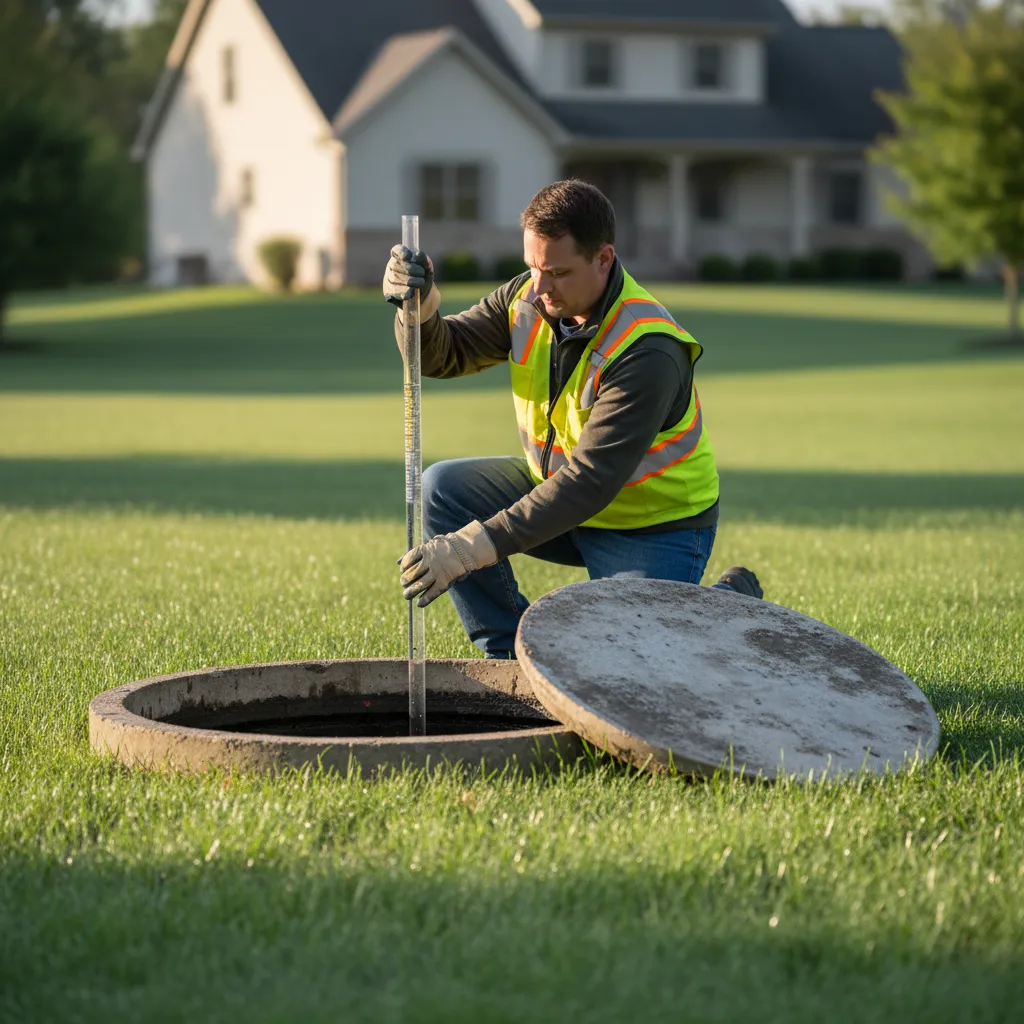
Buyers trust us because we document deficiencies with photographs and plain language explanations. Sellers trust us because we identify problems early enough to remediate before they list and sell. Real estate agents trust us because our reports hold up under lender scrutiny and satisfy contingency requirements without delays. Our reviews show why we deliver better results than the competition.
We carry full liability insurance. Our inspection reports include a professional assessment of system function, estimated remaining service life, and a clear pass or fail determination. When a system fails inspection, we offer a remediation plan with a detailed estimate and fair price to fix the issue. Our repair or replacement cost estimates let negotiations between buyer and seller proceed with real numbers.
Rural Septic TN stands behind every inspection. We are the qualified, top rated septic inspection team that Tennessee real estate professionals recommend and contact first.
Licensed & Certified
Tennessee State Licensed
Fully Insured
Comprehensive Coverage
Eco-Compliant
Permitted Disposal Sites
On-Time Service
We Keep Our Appointments
Signs You Need Real Estate Septic Inspections
Real estate septic inspections are required or strongly recommended in several specific situations. Recognizing these warning sign indicators early protects your investment and prevents costly surprises after closing. Whether you are moving into a new home or exploring a property for purchase, professional inspection is critical.
Standing Water Over the Drain Field:
Soft, wet ground or bright green grass above the leach field signals a saturated absorption area. This ponding on the lawn often means the biomat layer has thickened beyond the soil’s ability to percolate effluent, indicating potential system failure. A professional real estate septic inspection will determine whether the drain field has failed or simply needs pumping, cleaning, and rest. Regular maintenance helps prevent these conditions.
Odorous Conditions Near the Tank or Yard:
Sewage odor near the septic tank, distribution box, or yard indicates a system malfunction and possible waste leak. Cracked concrete tanks, corroded steel tanks, or blocked effluent filters can cause human waste and wastewater to surface. Problems often arise from pouring grease, oils, or harsh chemicals down the toilet or drain. Homes and restaurants alike face these issues. Buyers should never close on a property with unexplained odors without a thorough transfer inspection to rule out a sewage problem that could require emergency repair.
No Permit Records or As Built Plans on File:
Many older Tennessee properties have unpermitted or abandoned systems with no documentation. The health department may have no record of the tank size, drain field location, or bedroom count the system was designed to serve. A pre sale inspection locates, maps, and evaluates these unknown systems without the need to dig up the entire yard. Buyers purchasing a new home should always verify permit history.
Property Has Been Vacant for Extended Periods:
Inactive septic systems deteriorate when left unused for long periods. Bacterial colonies in the tank die off, baffle connections crack from soil movement, and tree roots intrude into lateral lines. A property that has not been well-maintained or was left vacant needs a full real estate septic inspection before any lender will approve a mortgage.
Lender or Title Company Requires Certification:
FHA, VA, and USDA rural development loans frequently require a certificate of compliance for the septic system. Our point of sale inspection satisfies these lender requirements and provides the documentation in proper form that your closing agent and escrow agent need to meet deadlines and finalize the transaction.
Our Real Estate Septic Inspection Process
Real estate septic inspections at Rural Septic TN follow a structured, repeatable process that works every time and leaves nothing to chance. Our goal is to deliver correct results and lasting documentation you can rely on.
Records Review
We pull permit records, as built plans, and site plans from the county health department to gather all available documentation. We verify the system type, tank material, design flow, and permitted bedroom count. If no records exist, we note the system as unpermitted and plan accordingly based on field observations.
Tank Location and Access
Our crew uses electronic locators and probes to find buried tanks, risers, and access lids. Using professional equipment, we excavate covers when necessary and dig to expose both the inlet and outlet sides of the tank for full evaluation.
Tank Inspection
We measure sludge and scum layers, inspect inlet and outlet baffles for cracks or deterioration, check the effluent filter, and assess the tank walls for structural integrity. Concrete, fiberglass, and polyethylene tanks each receive material specific evaluation. Our measurements show whether the system has been properly maintained over time.
Distribution and Drain Field Assessment
We open the distribution box, check for equal flow to all lateral lines, and camera scope pipes when blockages, clog formation, or root intrusion are suspected. We perform dye tests and hydraulic load tests to confirm the absorption field accepts and filters effluent properly. Clearing any debris from drains helps us control the testing environment for accurate results.
Report and Certification
We compile findings into a detailed inspection report with photographs, measurements, and a pass or fail determination in writing. Each page documents specific components of the system. Compliant systems receive a certificate of compliance. Deficient systems receive a written remediation plan with a list of items to be fixed and cost estimates for repair, replacement, or upgrade options.
How Often Should You Pump? Quick Reference Guide
For smaller households (1-2 people), the recommended pumping frequency is:
Every 2-3 Years
Smaller tanks fill up faster, so staying on a tighter schedule is important. Garbage disposal use and water habits can shorten this window further.
For most households (2-4 people), the recommended pumping frequency is:
Every 3-5 Years
Factors like garbage disposal use, household size, and water usage can affect this schedule. Call us for a personalized recommendation.
For larger households (4-6 people), the recommended pumping frequency is:
Every 4-6 Years
Even with greater capacity, heavy water usage or a garbage disposal can accelerate sludge buildup. Regular inspections help you stay ahead of any issues.
For commercial and high-use properties, the recommended pumping frequency is:
Every 1-3 Years
Commercial tanks handle significantly higher daily loads, so frequency varies based on business type, occupancy, and usage patterns. We recommend a site assessment to build the right maintenance schedule.
Brands We Use
Real estate septic inspections demand reliable, professional grade equipment. Rural Septic TN uses trusted brands that deliver accurate results in the field.



Your safety and accurate results are what we deliver on every job.
Other Services
Real estate septic inspection
Septic inspection for home sale
Point of sale septic evaluation
Septic transfer inspection
Pre closing septic assessment
Septic system certification for real estate
Septic inspection for buyers
Buyer septic system evaluation
Home purchase septic tank inspection
Septic inspection for sellers
Pre listing septic assessment
Seller septic compliance check
Septic certificate of compliance
Septic system clearance letter
Septic approval for property transfer
FAQs About Real Estate Septic Inspections
What is a real estate septic inspection?
A real estate septic inspection is a professional evaluation of an onsite wastewater system performed during a property transaction. The inspector examines the septic tank, baffles, effluent filter, distribution box, pump chamber, and drain field to determine whether the system functions properly and complies with local health department regulations. This inspection covers how waste from toilets, bathroom fixtures, kitchen sinks, and all plumbing drains into the system. The result is a written report that buyers, sellers, lenders, and closing agents use to proceed with the sale.
When should you schedule a septic inspection during a home sale?
Schedule the inspection as soon as the purchase agreement is signed and the contingency period begins. If you are wondering about timing, most Tennessee counties allow 10 to 14 days for inspections. Booking early gives you time to pump the tank, complete any required repairs, and obtain a certificate of compliance before the closing date. Stay informed by requesting updates from your inspector throughout the process.
Why do lenders require septic inspections?
Lenders require septic inspections because a failing system or system failure threatens the property’s habitability and market value. FHA, VA, and USDA loans specifically mandate proof that the wastewater system is functional and code compliant. A failed or non conforming system can stop the loan process and cause a lender to deny the mortgage until repairs are completed.
How long does a real estate septic inspection take?
Most inspections take two to four hours on site. Complex systems with pump chambers, aerobic treatment units, or mound systems may take longer due to challenging configurations. We deliver the written inspection report within 48 hours, though limited access or adverse weather conditions can occasionally extend this timeline.
Can a home sale fall through because of a septic inspection?
Yes. A failed septic inspection gives the buyer grounds to renegotiate, request a repair escrow, or withdraw from the contract under the inspection contingency. Dealing with this mess after an offer is accepted creates stress for everyone involved. Sellers who inspect and remediate before listing prevent this risk entirely.
Does the buyer or seller pay for the septic inspection?
Tennessee has no state law dictating who pays. The purchase agreement typically specifies responsibility. This is a frequent question we hear from clients. In practice, buyers often order and pay for the inspection, though sellers sometimes commission a pre listing inspection to disclose known conditions and strengthen their negotiating position.
Ready to Schedule Your Service?
Professional real estate septic inspections done right, every time. Trust Rural Septic TN to get the job done.