

Residential Septic Tank Pumping
Professional septic tank pumping for Tennessee homeowners who depend on reliable underground wastewater systems
Same-Day Emergency Service
Licensed & Certified Technicians
Serving All of Tennessee
Upfront Pricing, No Hidden Fees
Fully Insured
State Licensed
Eco-Compliant Disposal
Written Service Reports
Available 24/7 (00:00 – 23:59)
🎁 FREE Inspection with Every Pump-Out
Mention this offer when you call!
5 Highlights on Residential Septic Tank Pumping
Scheduled septic tank pumping
removes accumulated sludge and scum from your tank before solids reach the outlet pipe and clog your drain field. Our pump trucks carry high capacity vacuum systems that empty tanks of all sizes in a single visit, handling waste management efficiently for every home we serve.
Full tank inspections
accompany every pumping appointment. Our experienced technicians check baffles, inlet and outlet pipes, the effluent filter, and tank walls for cracks or corrosion while the tank is accessible and drained. We provide a thorough review of your entire plumbing system connection to the septic tank.
Drain field protection
starts with routine pumping. When a septic tank overflows with solids, untreated sewage seeps into lateral lines and builds biomat that saturates the absorption field. Pumping on schedule helps prevent that damage and keeps your system running effectively for years to come.
Accurate pumping schedules
depend on household size, tank capacity, and water usage. We calculate the right interval for your home so you avoid pumping too often or waiting too long and risk a backed up system. Our team works with you to maintain proper timing based on your specific situation.
Certified waste disposal and documentation
Every load of septage and biosolids we haul goes to a permitted treatment plant or composting facility. We provide manifold tracking, disposal receipts, and compliance records for your files and your county inspector. Rest assured that all contents are handled properly, with clear documentation included for your records and peace of mind.
Need Septic Service Today?
Our team is standing by to help. Fast response times and upfront pricing guaranteed.
Why Choose Our Residential Septic Tank Pumping
Residential septic tank pumping is a job that demands the right equipment, trained personnel, and a thorough understanding of subsurface wastewater systems. Rural Septic TN brings all three to every home we service across Tennessee. Our company has built a reputation for providing professional service that handles even the most challenging projects.
Our pumping crews operate late model vacuum trucks equipped with large capacity tanks and powerful suction systems. We perform each job with care and precision. Each visit includes a full drawdown of sludge and scum layers, a visual inspection of internal components, and a written report on your tank’s condition. That report covers baffle integrity, wall condition, riser and access lid status, and effluent filter cleanliness. Our on-site assessments give you clear communication about what we find.
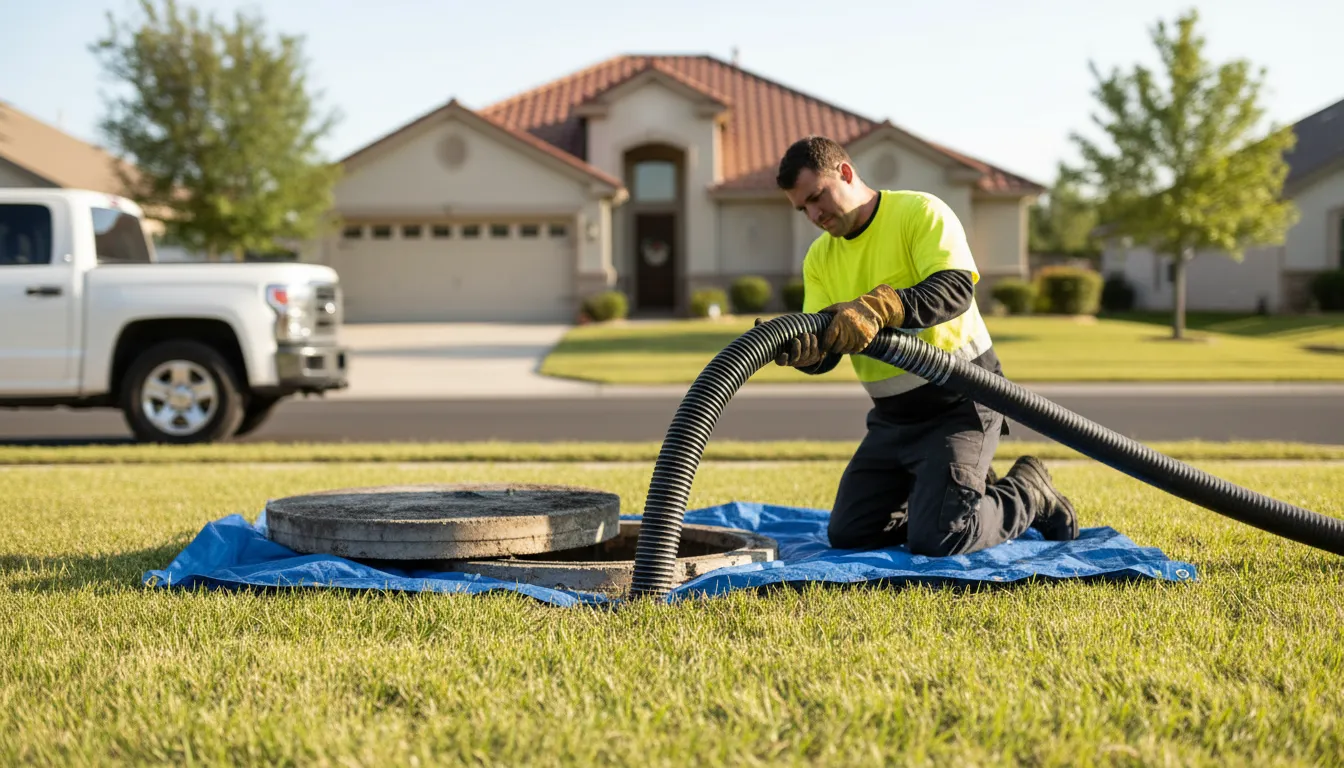
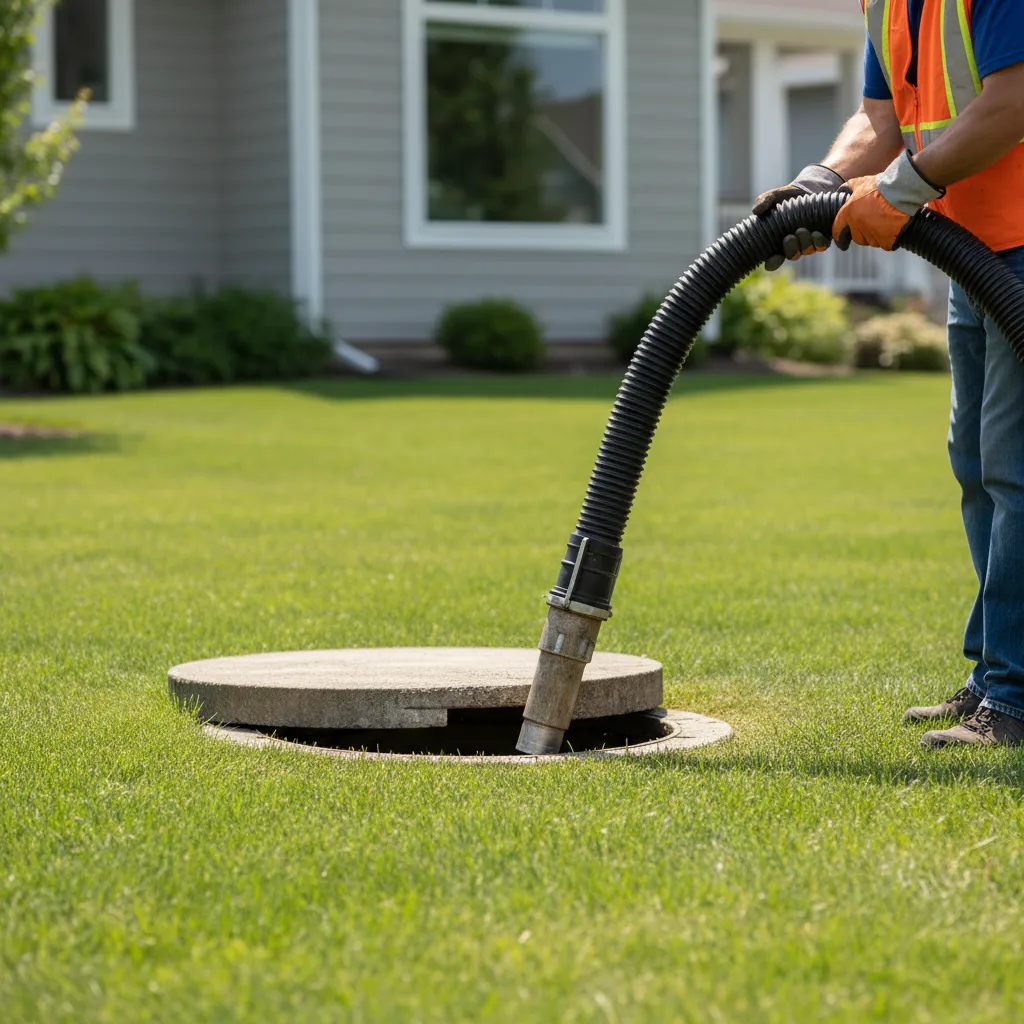
We’ve pumped conventional concrete tanks, fiberglass tanks, polyethylene tanks, holding tanks, and pump chambers. Single compartment or dual compartment, gravity fed or pressurized, our technicians know how each system works and what to look for during service. Whether you need a standard home septic tank pumping or a more complex tank installation inspection, our team can help.
Licensed & Certified
Tennessee State Licensed
Fully Insured
Comprehensive Coverage
Eco-Compliant
Permitted Disposal Sites
On-Time Service
We Keep Our Appointments
Signs You Need Residential Septic Tank Pumping
Residential septic tank pumping becomes urgent when your system sends clear warning signals. Recognizing these signs early saves you from costly drain field repairs and potential groundwater contamination. Understanding common issues helps you stop problems before they become emergencies.
Slow drains throughout the house:
When every sink, shower, and toilet drains sluggishly at the same time, your septic tank is likely full. Accumulated solids reduce the tank’s working volume, and wastewater from your kitchen sink, bathroom sink, and other fixtures cannot flow through the outlet pipe at a normal rate. A single slow drain might be a localized clog in your plumbing system, but system wide sluggishness points directly to a tank that needs pumping. This issue affects your entire drainage network.
Sewage odors near the tank or drain field:
A foul smell rising from the ground above your septic tank, around your access lids, or over your leach field means gases are escaping from an overfull system. Anaerobic bacteria inside the tank produce hydrogen sulfide and methane as they digest organic solids. When the tank is too full, those odorous gases push out through any available opening. This is a common sign that your system is not functioning properly.
Standing water or soggy ground over the absorption field:
Saturated soil above your lateral lines and gravel bed indicates that effluent is not percolating properly. An overfull tank pushes solids into the distribution box and trenches, where they clog the perforated drainpipe and surrounding aggregate. The ground becomes waterlogged and may even pool on the surface. Without intervention, this can lead to long-term damage to your entire ecosystem of beneficial soil bacteria.
Gurgling sounds in your plumbing:
Air trapped in pipes because wastewater cannot exit the house fast enough creates audible gurgling at drains and toilets. This backup pressure originates at the tank. Similar sounds may occur with a running toilet or when you wash dishes in the kitchen drain. These issues indicate draining problems that need attention.
Lush green patches over the drain field:
Grass growing noticeably thicker and greener in one area above your laterals means nutrient rich effluent is surfacing. Your tank is overdue for pumping, and untreated sewage is feeding that vegetation directly. Food waste and soap residue from your kitchen and bathroom are essentially fertilizing your lawn in areas where they should not be.
Our Residential Septic Tank Pumping Process
Residential septic tank pumping follows a consistent, methodical process every time our crew arrives at your property. We have designed our steps to maximize efficiency and deliver lasting results.
Locate and uncover the tank
We use your property records or our electronic locating equipment to find the buried tank. Our crew excavates soil above the access lids or risers and removes them to expose the tank openings. If your tank lacks risers, we recommend installing them during this visit for easier future access. Request this upgrade to save time and money on future service calls.
Inspect before pumping
Before we suction anything, a technician measures the sludge and scum layers with a calibrated probe. We note the levels in your service record. We also check the inlet and outlet baffles, the tee fittings, each valve connection, and the effluent filter for damage or blockage. This step helps us provide an accurate estimate for any additional work needed.
Pump the tank
Our vacuum truck operator inserts the suction hose and draws out all contents: liquid effluent, floating scum, and settled sludge. We agitate the bottom layer with a backflush of liquid to dislodge compacted solids and ensure a complete cleanout. The entire tank gets emptied. Our equipment is used to handle both residential and commercial applications with equal effectiveness.
Post pumping inspection
With the tank drained, our technician examines the concrete or fiberglass walls, the divider wall in dual compartment tanks, and all pipe connections including any line connected to your hot water heater drainage. Cracks, corrosion, and root intrusion are documented and reported to you. We review all findings and discuss any effective solution for problems we discover.
Close up and clean up
We replace access lids, backfill any excavated soil, and leave your yard in the condition we found it. You receive a written service report with findings, measurements, and a recommended date for your next pumping. Our business practices ensure clear management of your service history so you always know the amount of time until your next scheduled maintenance.
How Often Should You Pump? Quick Reference Guide
For smaller households (1-2 people), the recommended pumping frequency is:
Every 2-3 Years
Smaller tanks fill up faster, so staying on a tighter schedule is important. Garbage disposal use and water habits can shorten this window further.
For most households (2-4 people), the recommended pumping frequency is:
Every 3-5 Years
Factors like garbage disposal use, household size, and water usage can affect this schedule. Call us for a personalized recommendation.
For larger households (4-6 people), the recommended pumping frequency is:
Every 4-6 Years
Even with greater capacity, heavy water usage or a garbage disposal can accelerate sludge buildup. Regular inspections help you stay ahead of any issues.
For commercial and high-use properties, the recommended pumping frequency is:
Every 1-3 Years
Commercial tanks handle significantly higher daily loads, so frequency varies based on business type, occupancy, and usage patterns. We recommend a site assessment to build the right maintenance schedule.
Brands We Use
Residential septic tank pumping requires dependable equipment and quality replacement parts. Rural Septic TN works with trusted manufacturers across the septic industry.







Every piece of equipment we bring to your property is maintained, calibrated, and operated by trained technicians.
Other Services
residential septic tank pumping
home septic tank pumping
sludge removal service
septic pumping service
septic tank cleanout
vacuum truck pumping
septic tank pump out
residential septic cleaning
drain field maintenance
septic system pumping
household septic service
effluent filter cleaning
septic tank maintenance
septic waste removal
anaerobic tank pumping
emergency plumbing
drain cleaning
professional service
FAQs About Residential Septic Tank Pumping
What is residential septic tank pumping?
Residential septic tank pumping is the process of removing accumulated sludge, scum, and liquid effluent from a home’s underground septic tank using a vacuum truck. A technician suctions out all contents, inspects internal components, and disposes of the septage at a permitted facility. This professional service keeps your entire plumbing system connected to the septic tank flowing properly.
When should I schedule septic tank pumping?
Most residential septic tanks need pumping every three to five years. Households with more occupants, garbage disposals, or smaller tanks may need service every one to two years. Your pumping schedule depends on tank size, daily water usage from fixtures like your water heater and kitchen sink, and the volume of solids entering the system. Contact us online or by phone to request an appointment or get a quote.
Why does my septic tank need regular pumping?
Bacteria inside the tank digest organic solids, but they cannot break down everything. Inorganic material, grease from cooking, soap residue, and insoluble waste accumulate over time. Without pumping, these solids overflow into the drain field, clog lateral lines, and cause system failure that costs thousands to repair. Regular maintenance helps maintain your system and leads to significant savings over the long-term.
How long does a septic tank pumping appointment take?
A standard residential pumping visit takes between one and two hours. That includes locating and uncovering the tank, measuring sludge levels, pumping all contents, inspecting baffles and pipes, and closing everything back up. Our team works efficiently to minimize disruption while providing thorough service within that hour or two window.
Can I pump my own septic tank?
Tennessee requires licensed professionals to pump and transport septage. You need specialized vacuum equipment, proper disposal access, and permits from the health department. Hiring a qualified septic professional like Rural Septic TN keeps you in compliance and protects your property. Unlike a general plumber, our team specializes in septic systems and can handle any issues that arise during service.
Does pumping fix a clogged drain field?
Pumping the tank prevents further damage to a clogged drain field, but it does not reverse existing biomat buildup or saturated soil in the trenches. If your absorption field already shows signs of failure such as a clogged shower drain backing up or standing water, our technicians can assess whether remediation or replacement is needed after we pump and inspect the tank. We will provide an effective solution based on our findings.
Do you offer emergency septic pumping services?
Yes, we offer emergency septic pumping for urgent situations. When your system backs up into your bathroom or kitchen, you need help fast. Contact our team and we will work to get a truck to your property as quickly as possible. Emergency situations cannot wait, and our company is committed to providing responsive service when you need it most.
Ready to Schedule Your Service?
Professional septic pumping and waste management done right, every time. Trust Rural Septic TN to get the job done.